My Projects
What I build outside work, most of it with CI on every change and an automated release. Each card says how it ships, and the code is on GitHub.
1
An LLM agent for my own job search, run every day as a Claude Code scheduled task. It pulls new ads from job APIs, Indeed and Gmail alerts, scores them against my CV and, on weekdays, drafts a tailored CV and cover letter for the best ones. Its rules treat ad text as untrusted input, so prompt-injection attempts get reported instead of followed, and every claim has to come from my master CV. The Python builder then enforces the rest in code: it refuses drafts with placeholders, letters outside 250-350 words or a CV over two pages. Nothing is ever sent automatically.
How it ships: Python tools with a pytest suite that builds a sample workspace end to end. Runs on my own machine as a scheduled task.
2
A reader-first markdown app for Windows, macOS and the web. Highlight, comment and bookmark as you read, without the markdown files ever changing. In progress, built with Tauri 2, React and TypeScript.
How it ships: CI checks the frontend (lint, types, tests) and the Rust side (fmt, clippy, tests). A version tag builds macOS and Windows binaries into a draft GitHub release.
3
Where I'm learning Kubernetes, starting from Docker. Fourteen modules on a local three-node kind cluster, from Pods and Gateway API routing to RBAC, Helm, Prometheus, and Argo CD with GitHub Actions, ending in a capstone app deployed through GitOps. I started in October 2026: the course material is in the repo, and my exercise work goes in module by module.
How it ships: Nothing ships yet. The capstone will deploy through Argo CD.
4
An Android departure board for German buses and trains, with live delays and platform changes. A small serverless proxy turns Deutsche Bahn's XML into JSON and keeps the API keys off the device. Built with Expo and React Native.
How it ships: CI on every pull request: type checks, lint, tests and npm audit. A merge to main deploys the proxy to Vercel from GitHub Actions and smoke-tests it; a version tag builds the Android app on EAS.
5
My maintained fork of the React wrapper for Rough Notation, the hand-drawn highlights on this page. Releases use npm trusted publishing over OIDC, so there is no npm token stored anywhere.
How it ships: When the version on main changes, GitHub Actions runs the tests, publishes to npm with provenance, then tags the release. CodeQL scans the code.
6
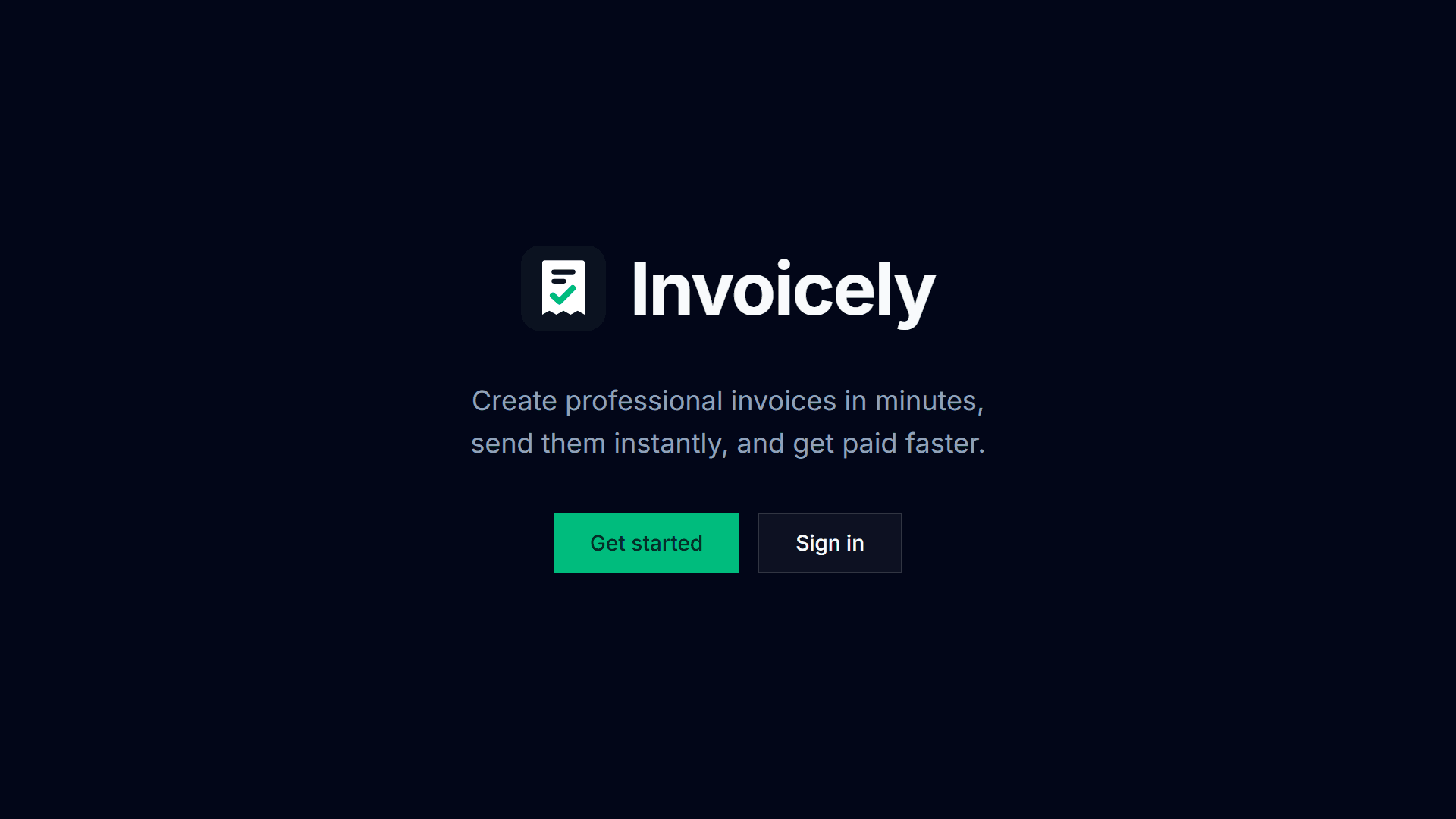
An invoicing app for freelancers, in development and built to learn the full stack. So far: Google sign-in, email verification and organizations. Next.js, Postgres on Neon, Drizzle and Better Auth.
How it ships: CI runs lint, types, unit and database tests, checks the migrations match the schema, then runs Playwright end-to-end tests. Vercel migrates the matching Neon branch before each build: production for main, a shared dev branch for previews.
7
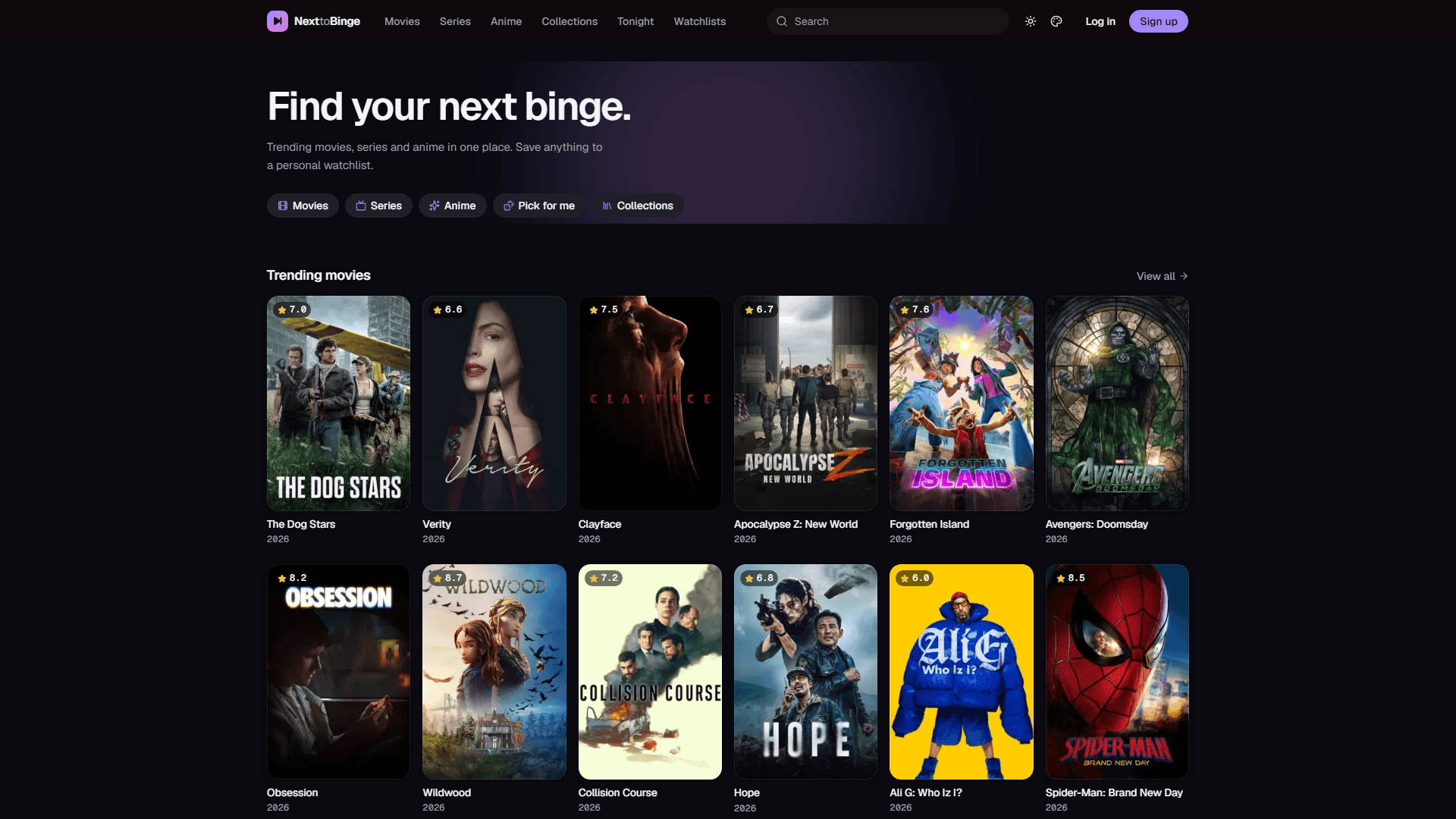
One place to find your next movie, drama or anime. Search all three at once, browse what's trending, and keep watchlists with each title marked plan to watch, watching or watched. Next.js 16, Supabase, Drizzle and Clerk.
How it ships: CI on every pull request: lint, types, tests and a build. Vercel deploys a preview per branch and production from main.
8
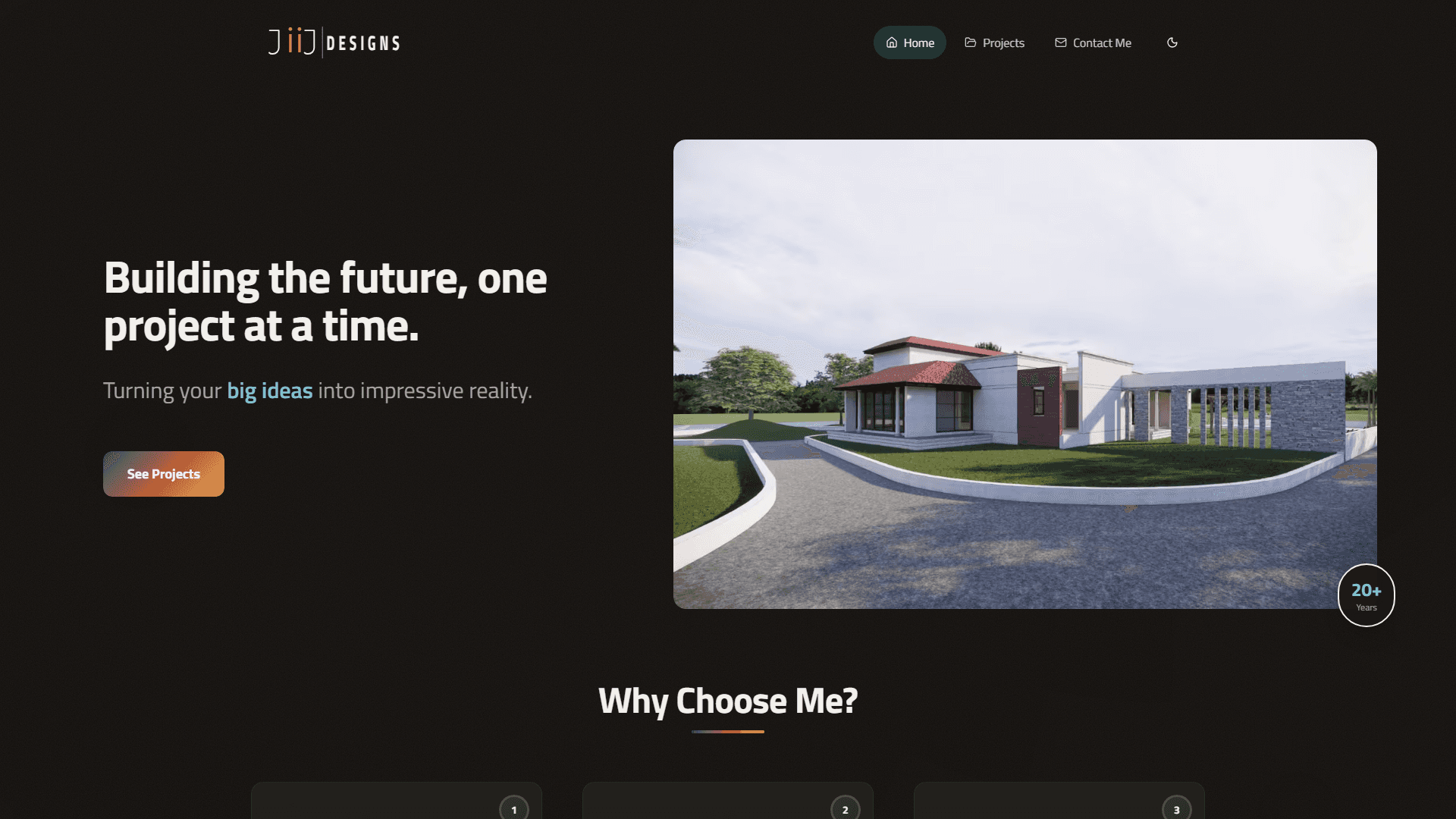
A portfolio site for architect and interior designer Jigna Saija, with more than twenty of her architecture and interior projects. Next.js, Tailwind CSS and Motion.
How it ships: Vercel deploys a preview per branch and production from main.
9
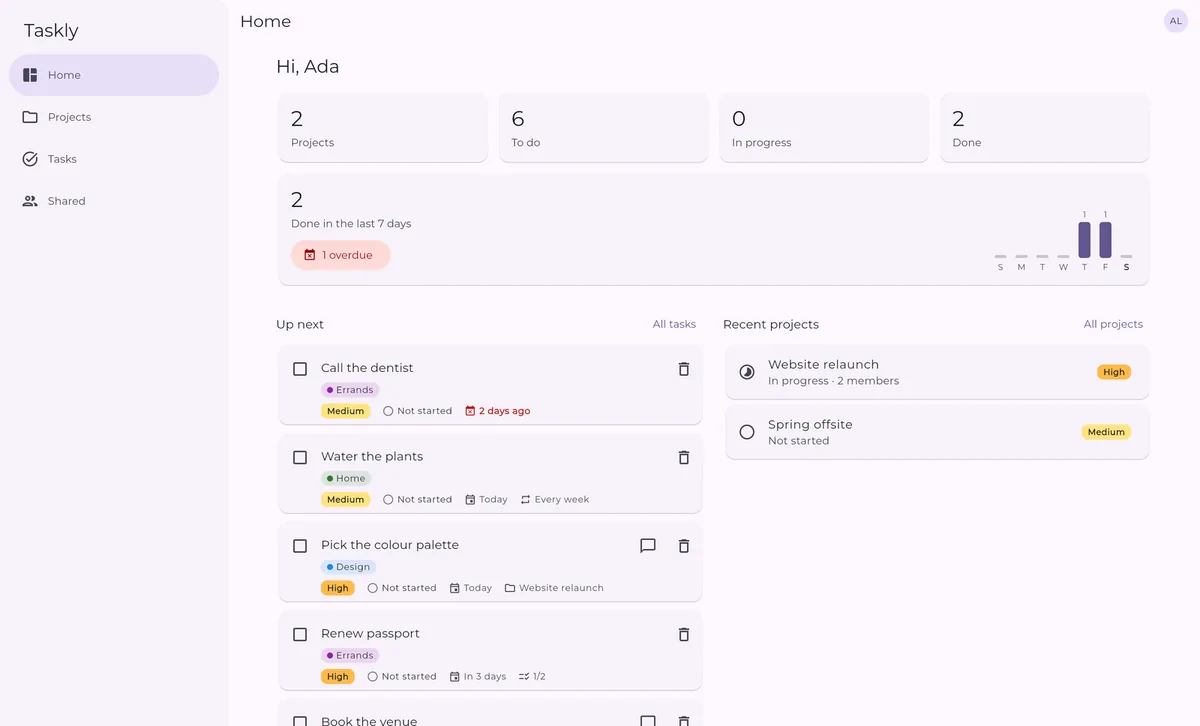
A task and project manager for small teams. Boards, shared projects with editor and viewer roles, repeating tasks, and offline support, running in the browser and on Android. Started as my 2020 internship project at Apexa and rewritten on Flutter, Riverpod and Firebase.
How it ships: release-please opens the release PRs. A release builds Android, iOS, macOS, Windows and web, each file with a signed build-provenance attestation. Main deploys the web app to GitHub Pages once the tests and an integration run pass.
10
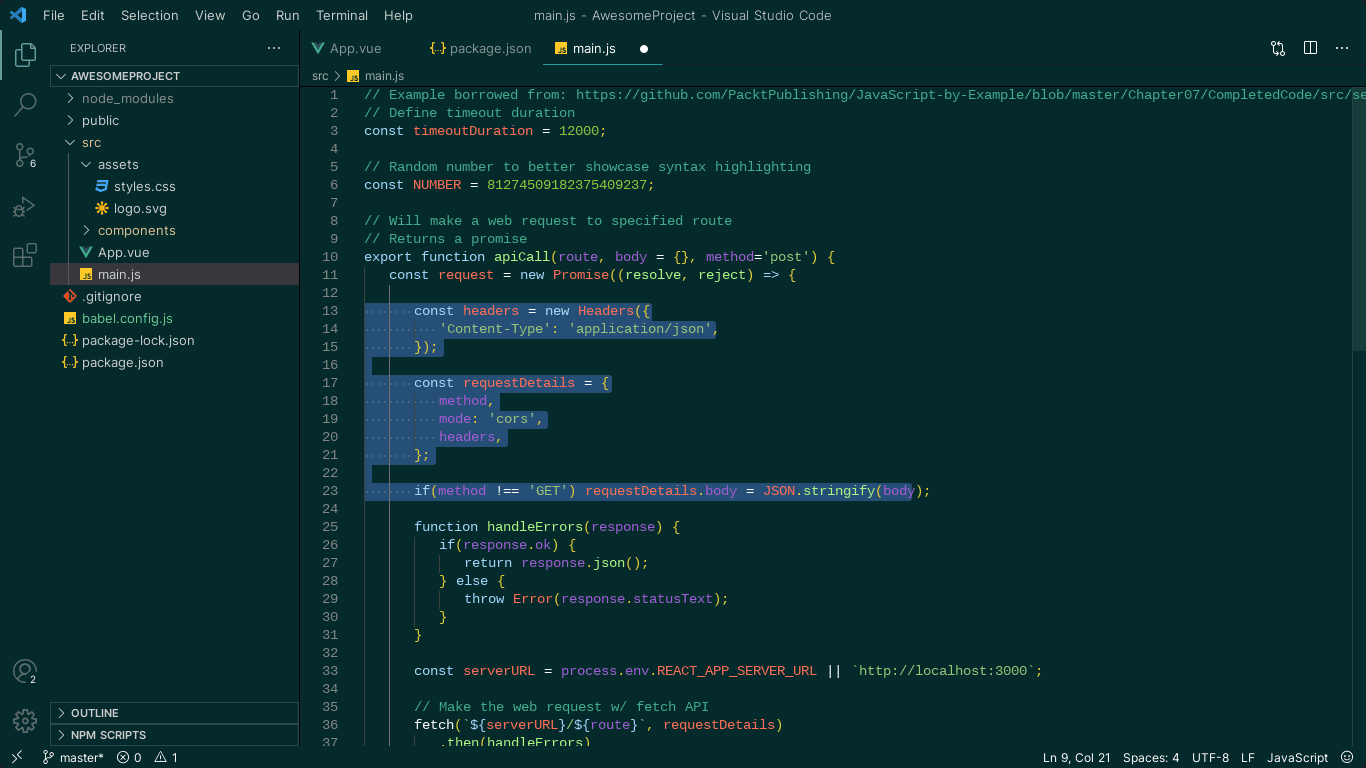
A dark VS Code theme in flat, solid colors: a deep teal editor, yellow text and a lime status bar.
How it ships: Published to the VS Code Marketplace.
11
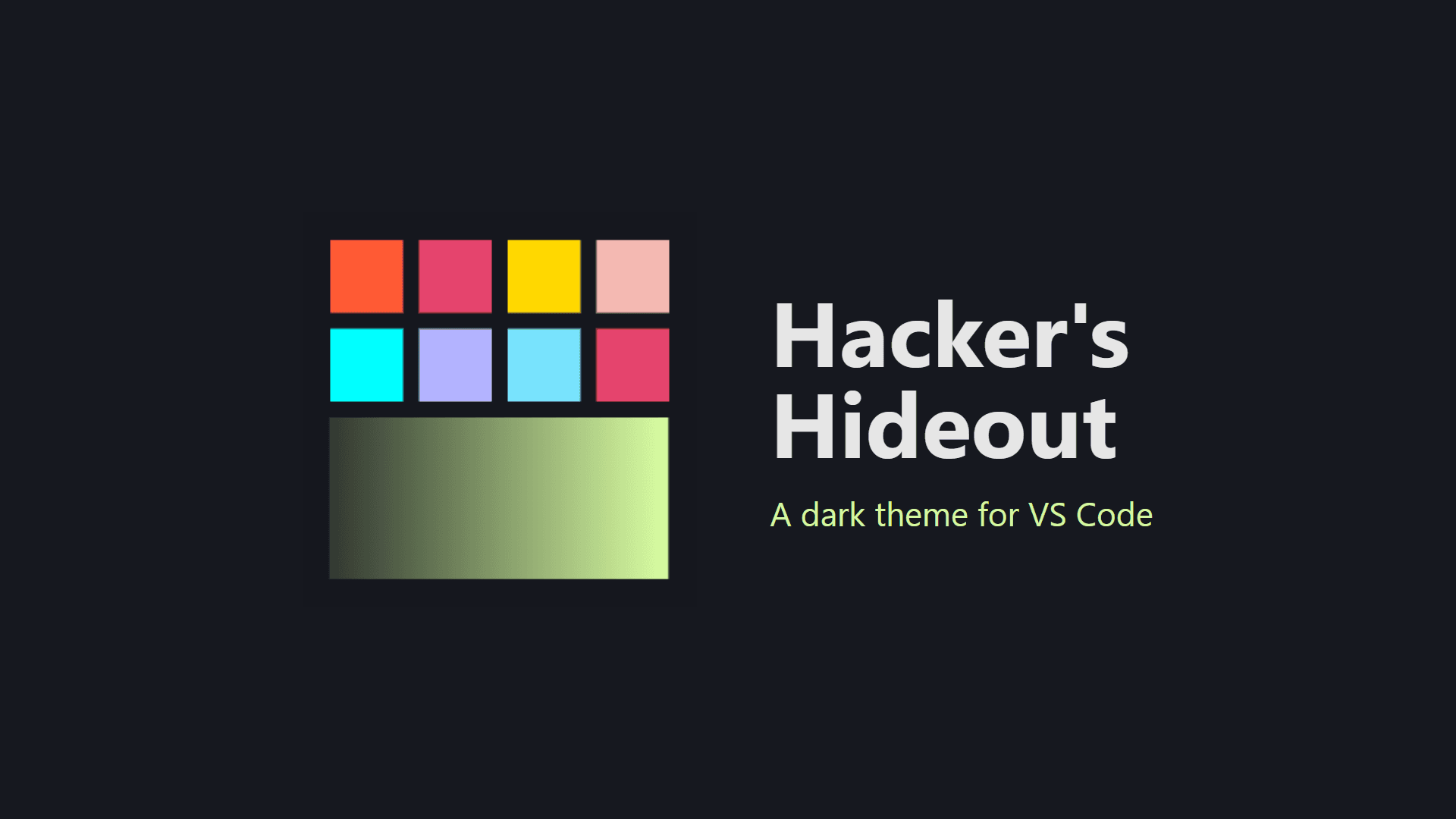
A dark VS Code theme with a near-black background, lime-green text and neon accents. It covers the whole workbench, down to the terminal's 16 ANSI colors.
How it ships: Published to the VS Code Marketplace.